Payments is a modernization decision. Most companies make it last.

A distributor replaces an ERP, adds a customer portal, changes providers, or buys a competitor. The payment flows get mapped near the end, after the architecture is already fixed.

What that costs does not show up as a payments problem. It shows up as a close that takes eleven days, a portal that finance works around by hand, and a write-off line nobody has ever totalled.

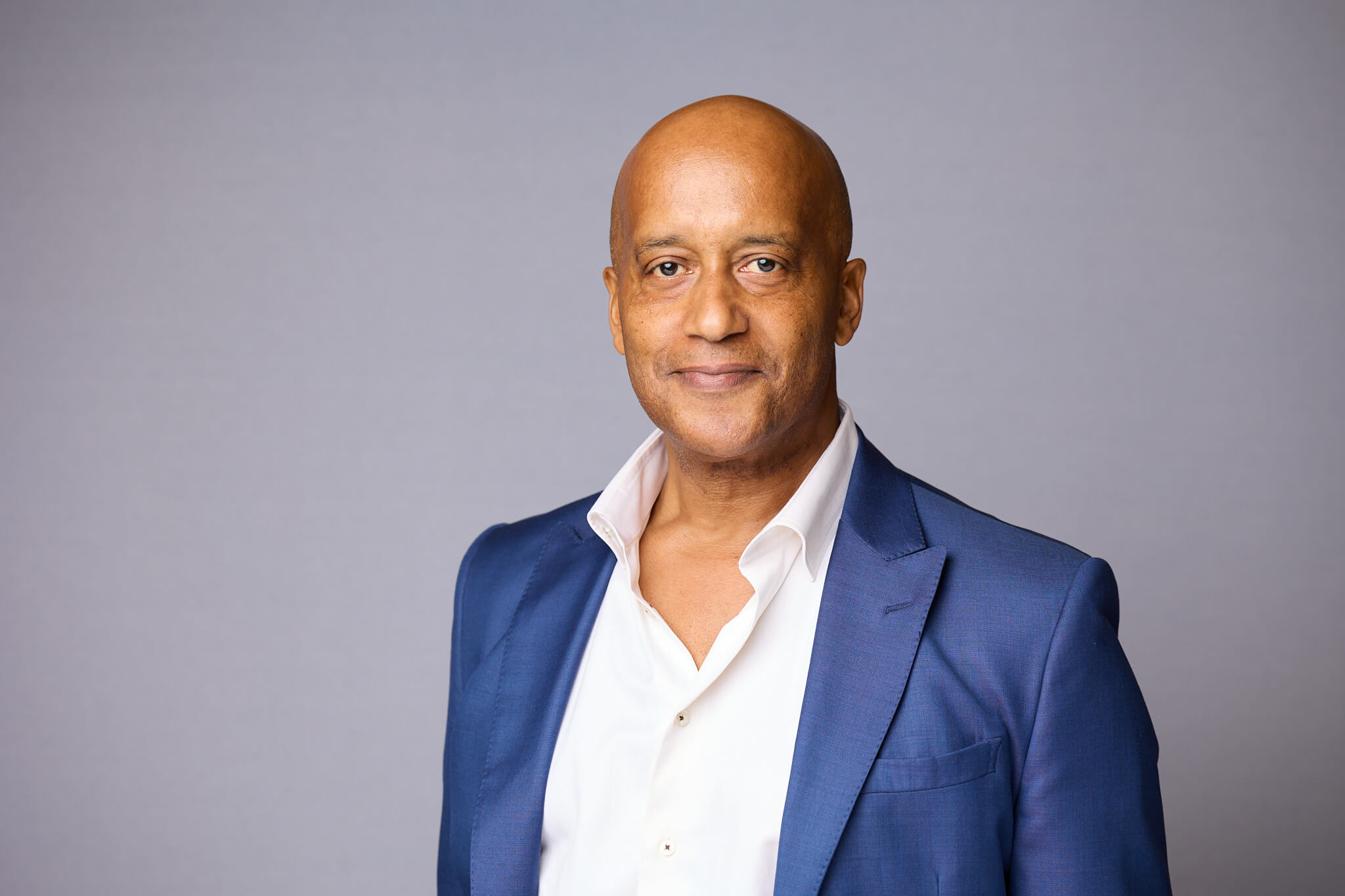
I am Anthony de Gale. I get payments into the plan while the decisions are still open — and when the friction is already visible, I go and find out what is causing it.

For CFOs, Controllers and COOs at Canadian distributors and wholesalers, $15M to $250M.

Start with a 30-minute conversation

The payment layer is decided by default

Payments is rarely a line item in a modernization business case. It is assumed — that the new system will handle it, that the provider will make it work, that the integration partner has it covered.

Each of those parties knows their own half. None of them owns the span from invoice to close.

So the requirements get set by whoever happens to be in the room when the question comes up, and the gaps surface eighteen months later as manual work that nobody planned for and nobody is measuring.

The cheapest time to ask what payments needs is before the architecture is fixed. The second cheapest is now.

Payments do not break in the middle. They break at the handoffs.

Money moves through your business in a sequence. It is invoiced, it arrives, it settles, it gets matched, it posts, it gets reported, and the exceptions go somewhere. Each step usually works.

The damage happens between them. A reference that existed at the start does not survive to the ledger. A field gets stripped moving between systems. A decision gets made in an email thread and is not retained. By the time anyone notices, the fix is manual and the cost is invisible because it is spread across people who are used to it.

Invoice to close is the span. The handoffs are where the work is.
Two ways to begin — depending on what is happening inside the business

Both are fixed-scope, vendor-neutral and priced. Neither is a prerequisite for the other. Which one fits depends on whether something is breaking now or something is about to change.

Something is breaking

Invoice-to-Close Diagnostic

$4,500 CAD + HST

A visible problem inside one payment flow: reconciliation, remittance handling, cash application, fragmented information, control or ownership.

Scope
One entity or business unit. One flow — receivables or payables, not both. Within that flow: one ERP, up to three providers or channels, up to three stakeholder interviews and a 90-day sample.
Delivery
Five business days after all required inputs are received.

Where information, money and the accounting record separate between invoice and close, why it matters, and what should happen next.

Explore the DiagnosticBook a 30-minute fit conversation

Something is changing

Payments Modernization Roadmap Sprint

$18,000 CAD + HST

An ERP or finance transformation, an automation or AI initiative, a new platform or provider, an acquisition or expansion, or an operating-model redesign.

Scope
One defined business or technology initiative. The payment flows, systems, operating dependencies and controls that initiative affects. Up to five stakeholder interviews.
Duration
Approximately three weeks.

What the payments channel must support — defined before you commit to technology, providers or implementation decisions.

Explore the Roadmap SprintBook a 30-minute fit conversation

If you are not sure which applies, that is what the thirty-minute conversation is for. Some of those calls end with a recommendation to do nothing yet.

Anthony de Gale

I spent thirty years on the other side of the contract you are trying to get out of.

Most people advising you on payments have either sold payments or examined them. I did the first for three decades, at Global Payments Canada, at PSiGate, at Bell, building the channel relationships and the integrations that businesses like yours are now living inside.

Which is why I can tell you what actually breaks if you leave your provider. Your provider will not. The one trying to win you will understate it. Your ERP partner knows their half. It is a short list of people who can answer that question honestly, and being on it is the only real credential I have.

I started as a credit officer. The job teaches you one thing: when the numbers do not close, go and find out why.

What one flow can and cannot tell you

The Diagnostic examines one flow properly rather than all of them superficially. That is a deliberate trade, and it has a consequence worth stating before you buy anything.

The findings document separates three things and labels them:

  • What is established within the flow examined. Evidenced, and the evidence is shown.
  • What it suggests about the rest of the business. Reasoned inference, named as inference rather than as finding.
  • What would require broader work to answer. Stated plainly, including what that work would involve.

One flow does not set your modernization priorities. It gives you one properly evidenced input, and an honest account of what it does not cover.

What experienced colleagues and clients say

Larry Chevalier

Larry Chevalier

former CEO, Delego Software

Anthony has been a great resource for us securing new partners while managing existing relationships. He’s a professional who certainly understands the payments sector and the team has benefited from his insights. It’s been a pleasure working with him.

Tony Abruzzio

Tony Abruzzio

former Senior Vice President, Global Payments

For Canadian-based opportunities or collaborating with my team on cross-border deals and strategies, Anthony was a great resource and asset. His knowledge of the business, willingness to deliver and professionalism are a few of the reasons why I would welcome working with him again.

Milena Donovan

Milena Donovan

Director, Business Development at Hostopia

Anthony and I worked on several projects together. He was very customer focused, knowledgable and creative in his approach. A real asset to the team.

Christine Korda

Christine Korda

Director, Windsor Arms Hotel, Senior Digital Marketing Professional, Forbes Top 50 Digital Influencers, Windsor Arms Hotel

Anthony is very knowledgeable in his field and a great team player as well as a leader. His business ethics are of the highest and I look forward to being able to work with him again.

Ashley Hockenberry

Ashley Hockenberry

President at Scott Employment Solutions

Anthony has strong sales and interpersonal skills coupled with a good business acumen. He is liked and well respected by customers and peers. He is a dedicated performer who always contributes heavily to any organization he is a part of. Relationships are his strong suit. He always strives for perfection.

Gregory Zamarski

Gregory Zamarski

Investment Advisor

Executes With Passion for Customers & Peers -Resilient & relentless at execution -Sets priorities, delegates & manages time effectively -Continuously develops own skills and helps colleagues grow & develop theirs.

How the work fits together

A visible problem in a defined flow starts with the Diagnostic. A planned initiative starts with the Roadmap Sprint. Neither is a prerequisite for the other, and the Sprint can be bought directly.

A Diagnostic may lead to a Sprint when the picture turns out to be wider than one flow. That is a finding, not a sales step.

Payments Modernization Roadmap Sprint. $18,000 CAD + HST.

What the payments channel must support, defined before technology, provider or implementation decisions are committed. See the full scope and outputs.

Fractional Chief Payments Officer. $6,500 a month + HST.

Delivered through a six-month advisory retainer.

Ongoing leadership for finance teams making payment decisions without a dedicated payments executive in the building. Modernization oversight, vendor selection and partner coordination—the work of asking the right questions before the contract renews, not after.

Start with a 30-minute conversation

Enough to establish what is changing or what is breaking, which flow or which initiative is in scope, and whether the Diagnostic, planned-change work, or nothing from me is the right answer.

Some of these calls end with a recommendation to do nothing yet. That costs you thirty minutes and saves you more.

Start with a 30-minute conversation